Chimney repairs
Chimney lining and flue liners
£800 to £2,000 is the typical price for a flue liner supplied and fitted. A flexible liner for a stove is at the lower end, and a twin-wall system for a home with no chimney costs £1,500 to £3,500.
Post your chimney and stove job to Premium membersTell us about your job once. Premium chimney sweeps who cover your area can then contact you.Describe your job
What this covers
What it costs. A flue liner, supplied and fitted, typically costs £800 to £2,000. Full cost breakdown.
What the job covers
- Fitting a flexible stainless steel liner
- Fitting a twin-wall insulated flue where there is no chimney
- Sealing and insulating the liner
- Fitting a register plate and top plate
- Sweeping and checking the chimney before lining
Worth knowing
Wales
The Welsh Government lists HETAS as a competent person scheme for solid fuel (including biomass) combustion appliances. Competent person schemes allow individuals and enterprises to self-certify that their work complies with the Building Regulations, as an alternative to using a building control body.
Building work: competent person schemes, gov.wales
What is involved
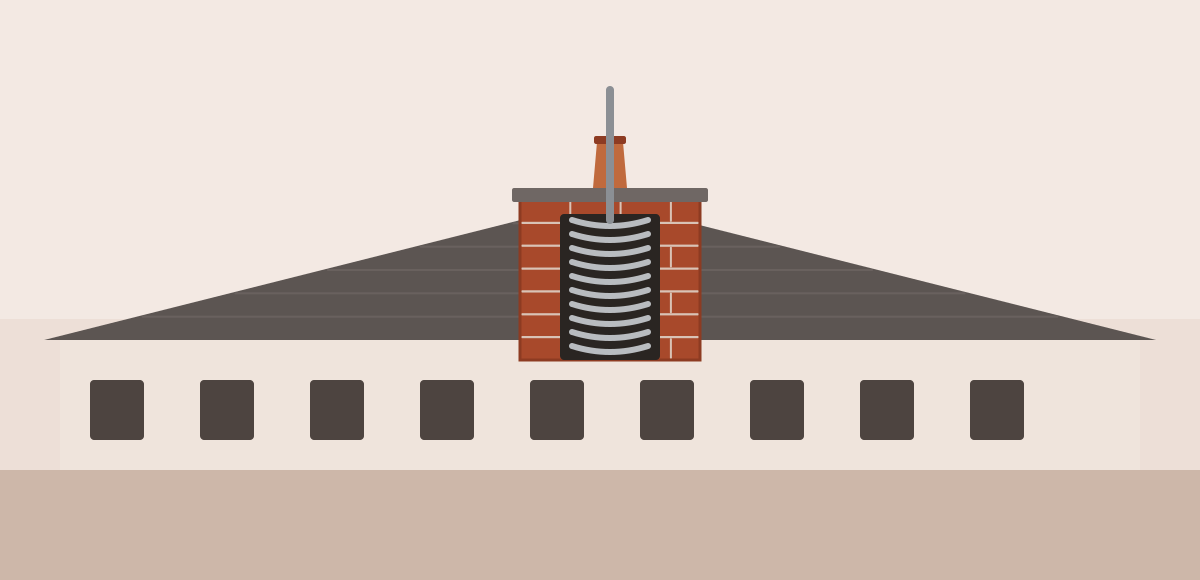
A flue liner is a tube that runs up the inside of a chimney. For a stove, a liner carries the fumes out of the house and protects the old brickwork from heat and tar. A flexible stainless steel liner is the usual choice for an existing chimney. It is lowered down from the top of the stack and connected to the stove below.
Stainless steel liners come in different grades, so ask which grade is being fitted and why it suits your fuel. Liners can also be insulated or surrounded by lightweight backfill, depending on the chimney. Pumice or ceramic systems cost more and are often chosen for a long life. A twin-wall system is a separate, insulated flue, used where there is no chimney.
HETAS says that replacing a flue liner is installation work that is notifiable to building control in England and Wales, and that HETAS-registered installers can notify it. The chimney should be swept and checked before a liner is fitted. A smoke test or camera survey can show cracks, blockages or gaps that need dealing with first.
Choosing someone for the job
Ask which liner grade is being fitted, what its length is and whether it is insulated. Check that the price covers the register plate, top plate and cowl. Ask who will notify building control and when you will get the certificate. Ask whether scaffolding is included.
Worth reading first:
Related jobs:
- Log burner installation
- Smoke test and CCTV
- Chimney repair
- Chimney repointing
- Cowl fitting
- Chimney capping
Common questions
Do I need a liner for a log burner?
Often, yes. A liner protects an older chimney from heat and fumes and helps the stove draw. The installer will inspect the chimney and tell you whether it needs one.
Is fitting a liner notifiable work?
HETAS says replacing a flue liner is notifiable under building regulations in England and Wales. A HETAS-registered installer can notify it on your behalf. Ask for the certificate afterwards.
What types of liner are there?
Flexible stainless steel is the usual choice for an existing chimney. Pumice or ceramic systems are also used, and twin-wall insulated systems are used where there is no chimney. The installer will explain which suits your property.
Should the chimney be swept before lining?
Yes. The chimney should be swept and checked first, and a smoke test or camera survey can show damage. The sweep or installer will tell you if anything needs doing before the liner goes in.
How much does a chimney liner cost?
£800 to £2,000 supplied and fitted. The liner alone, in flexible stainless steel, costs £300 to £900.
What does a twin-wall flue cost?
£1,500 to £3,500 for a system for a home with no chimney. It is a separate, insulated flue, so it costs more than lining an existing chimney.